

Buckle up—this is going to be an uncomfortable email whether you’re a buyer or a seller.
Today we’re talking rising interest rates, plummeting mortgage applications, slowing sales, and the specter of declining prices.
Strap yourselves in for what’s sure to be the least-predictable summer we’ve seen in a long time.
-Shannon
310-853-0335 | ShannonShue@KW.com
*** BTW—if you want an even DEEPER scoop on what I think is happening, attend my next FREE Third Thursday Workshops. If you think the insights in this newsletter are good, you ain’t see NOTHING yet 🙂 ***
The Short Story...
***The Federal Reserve keeps raising interest rates to combat the worst inflation in 40 years.***
***As the Fed Funds rate (the FED’s interest rate) goes up, so does the average 30-year fixed mortgage rate, which now sits around 5.5%.***
***Higher mortgage rates mean higher monthly payments for borrowers, which pushes buyers out of the market.***
***Fewer buyers leads to less intense demand, which means properties spend more time on the market.***
***As inventory starts to recover it can place downward pressure on the market, dropping listing prices.***
The Full Story...
June 2021—all anyone in the media can talk about is a WHITE HOT housing market fueled by historically low interest rates, depleted inventory, and an unprecedented demand for home ownership.
June 2022—all anyone in the media can talk about is WHITE HOT inflation that’s forcing the Federal Reserve to raise interest rates, leading to more expensive mortgages and home buyers dropping out of the market.
What a difference a year makes, right?
“Shannon, what the hell is going on?”
Here’s the quick, elementary-school-economics breakdown…
At more than 8%, inflation is higher than it’s been at any point in the last 40 years. In other words “high inflation” is a brand new experience for more than 150 million Americans.
To combat inflation the Federal Reserve raises its interest rate for banks—which, in turn, leads to banks (and various other financial institutions) increasing their borrowing rates for consumers.
That means higher interest rates for short-term borrowing (eg., credit cards) and higher interest rates for long-term borrowing (e.g., mortgages).
Whereas the average borrower in June 2021 might be able to lock-in an interest rate of 3.5% as they apply for a mortgage, today’s borrower is going to see a rate that’s about 2% higher (5.5%). It might not seem like a lot, but that 2% bump translates to hundreds (or thousands) of additional dollars owed per month.
(You with me so far?)
Getting priced out
If you hear the term “priced out” you probably think of a buyer not being able to afford a home rather than a buyer not being able to afford a mortgage.
Really, they’re two sides of the same coin—the buyer ain’t getting the house either way.
While people getting pushed out of the market due to soaring listing prices is great news for sellers, people getting pushed out of the market due to soaring mortgage costs should ring alarm bells.
Servicing the traditional 30-year mortgage is most burdensome during the early years of the loan. A lower rate—say 3% versus 5%—means a lower monthly payment, which opens the door to ownership (no pun intended) for a larger pool of buyers.
Why?—Because it allows them to afford a mortgage while also affording their other basic needs (food, clothing, transit, etc.).
Using this example for CNBC to put it in real terms, the median American home is worth $408,100. Buying that home for 20% down with a 30-year fixed mortgage comes out to $1,384 per month using last year’s interest rate of 3.04%.
Using today’s interest rate of a little more than 5%?—Those monthly payments jump to $1,753,62.
That’s an extra $4,500 per year, give or take a few bucks.
It might not seem like a lot, but that added monthly expense of about $440 will push a lot of buyers out of the market. Especially when you realize 64% of Americans live paycheck to paycheck.
What happens next?
I hope you’re ready for a real honest moment:
I have no idea.
Not a clue.
I want to tell you I know exactly what will happen next, but that would be a lie and I don’t do that.
What I think will happen…
That being said, I can tell you what I think will happen and why.
Demand is going to drop—hell, it already is dropping.
You can tell by looking at US mortgage application rates which are down at an annualized rate of more than 50% since January, according to the Mortgage Bankers Association.
Now, the National Association of Realtors only predicts a 6% decline in home sales in the next 12 months.
My mentor—real estate icon Gary Keller—predicts a 20 to 25% decline in transactions.
I don’t know that I’m as optimistic as the NAR or as pessimistic as Mr. Keller, so put me somewhere in the middle for a 15% drop in sales nationwide.
“Uh-oh, Shannon…that sounds bad”
I know it sounds pretty ominous, but believe me when I say it isn’t.
Housing inventory in the US is at an all-time low. You’ve heard me mention it before but after the 2008 market collapse, home builders stopped building. The upshot of which is years of underbuilding versus increasing demand culminating in today’s record-low inventory. So, even if demand drops by a similar margin as sales (let’s say 15%), it won’t be enough to offset the remaining imbalance.
In other words, prices aren’t going to plummet.
Could prices decline?—Sure. But it’s more likely that they plateau.
If they do drop, don’t expect it to be by more than 5%…which if you consider the soaring appreciation of the last 2 years (more than 40% in countless metros!) isn’t a big deal.
So IF YOU’RE A SELLER, the time to list is RIGHT NOW—especially if you’re selling a second home or an investment property. The longer you wait, the greater your risk for seeing your value slip a few percentage points.
And IF YOU’RE A BUYER, don’t sit around expecting a 2008-esque collapse, because it ain’t gonna happen so…
Get. In. Now.
Especially those of you looking to buy in a popular market. If anything it’s only going to get more expensive to buy—not because of listing prices (those are going to hold) but because your borrowing costs might SOAR as the summer progresses.
What does it all mean for Golden State residents?
For those of us living in California—and Los Angeles or the Bay Area in particular—things will still feel fairly rosey from a market standpoint this summer.
That doesn’t mean transactions will be RIPPING left and right like they were in 2020 and 2021, it just means we can expect our prices to hold (at worst) or increase by the smallest of margins (at best).
If you’re debating whether or not to engage in a transaction (be it as a buyer or as a seller), shoot me an email at ShannonShue@KW.com or give me a call at 310-853-0335.
Let’s have a casual conversation about what you’re looking for and what your situation looks like—from there, I can make a couple of recommendations that will work for someone in your position.
Talk soon!
-Shannon
Have a Question About Real Estate?
Do you have a question you’d like Shannon to answer in an upcoming newsletter?
Don’t be shy—click the button below to submit your thoughts.
Required Reading...

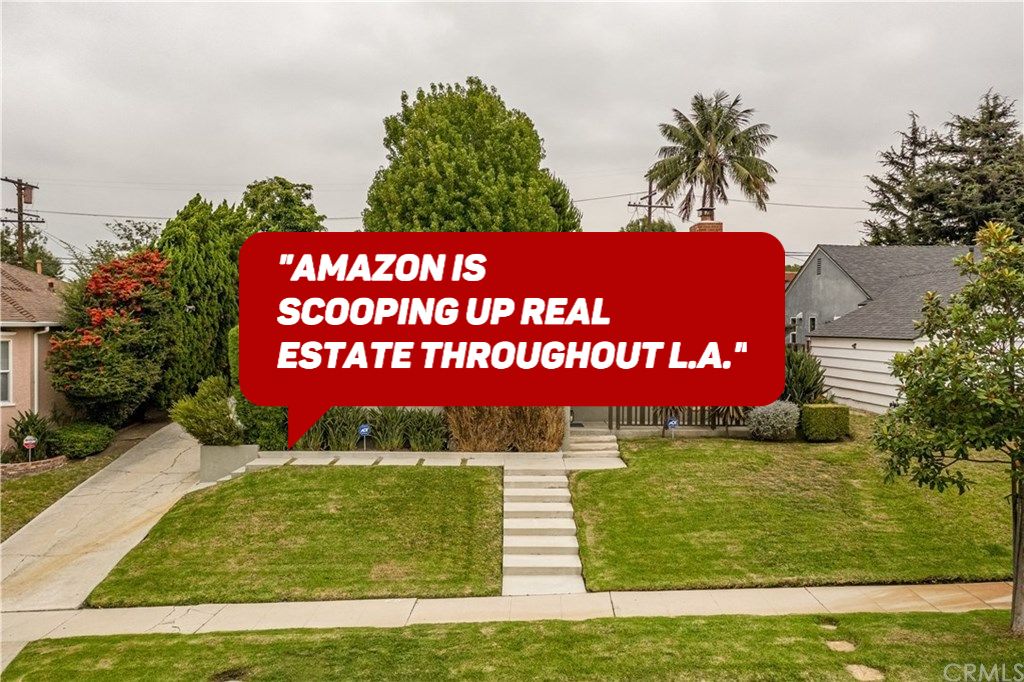
(Click images to read.)
Free Workshop + Book Club...
Hey folks!—This month’s workshop is waiting for you…don’t miss out!
THIS IS YOUR CHANCE to tap directly into my years of real estate knowledge and experience, so be sure to take advantage of this.
What People Are Saying...

“In an industry that’s unnecessarily complex and archaic, Shannon is a maverick who helps focus her clients on only the most important details.”
-Casey Chan

We never hesitated to take Shannon’s advice and trusted her in every step of the process…she found us exactly what we were looking for! We couldn’t recommend her more.”
-Noel Yerrington

“Shannon was extremely thorough, patient, kind, and funny to boot. There is no question she will forever be our LA realtor.”
-Steve Gibbons
Recent Transactions...
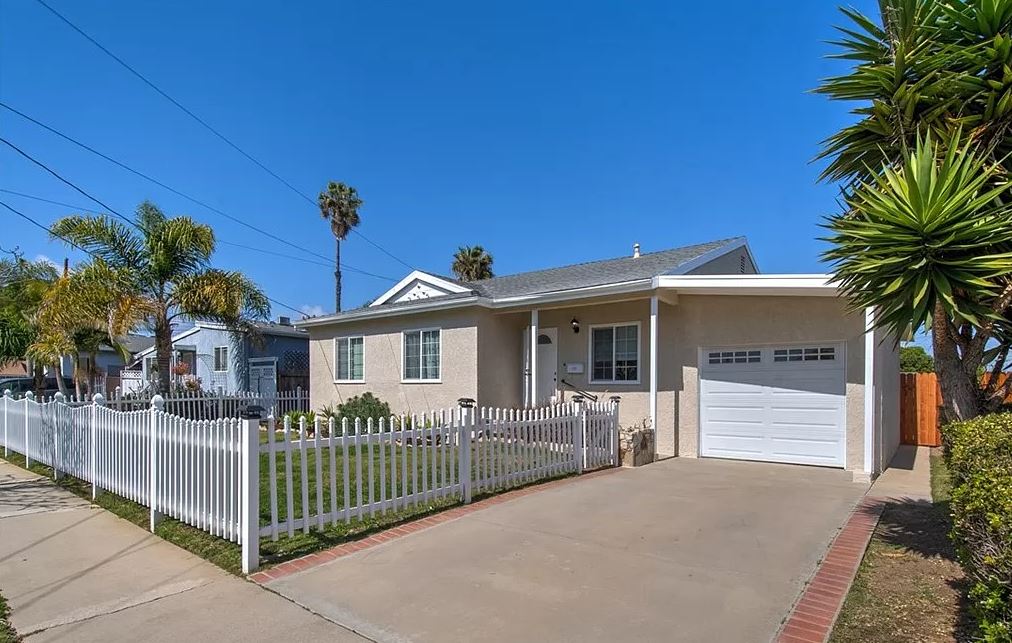
4121 W 180th St
Torrance, CA 90504
Sold for $1,020,000
The buyer received $10,855 in repair credit
60-day leaseback
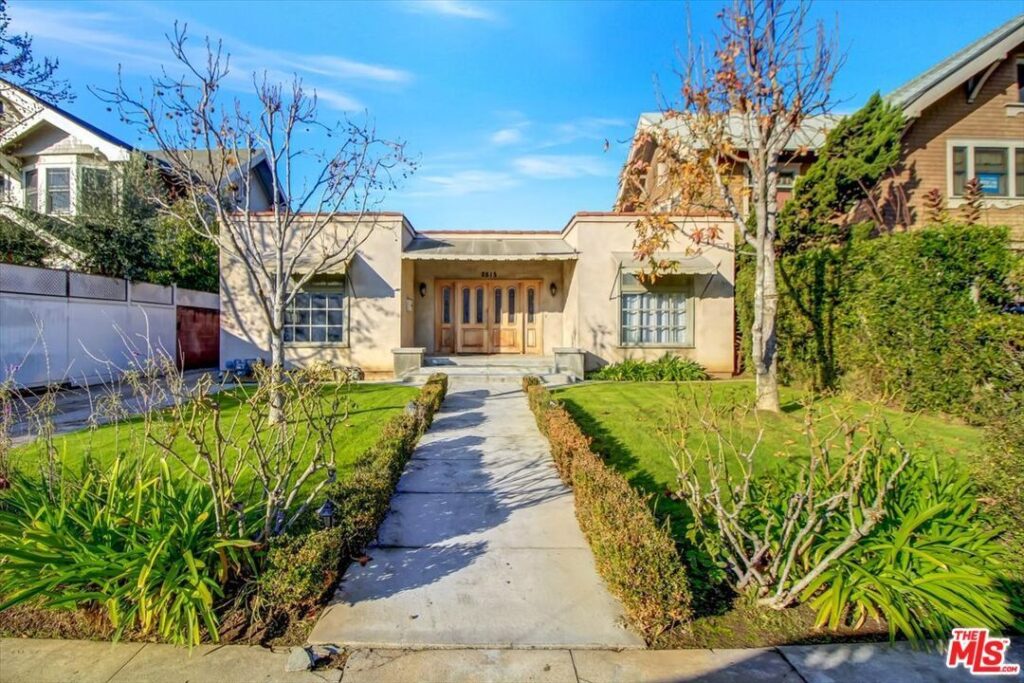
Los Angeles, CA 90018
Sold for $1,305,000
The appraisal came in at value
The buyers received $9000 in repair credit
Need to Chat?
Are you thinking about buying or selling a property in the Los Angeles area?
If the answer is YES, make sure you sit down for a candid conversation with Shannon—share your goals, ask any question, and discover why she’s one of the most successful real estate agents in Southern California!