

Howdy partner.
There’s a lot of emphasis on that word, and it isn’t because I’m pretending to be a cowgirl or auditioning for a role in an upcoming Western.
No, the reason I’m putting emphasis on the word ‘partner’ is because I’ve been getting a ton of questions lately regarding partners and partnerships as a means of investing in property.
So, in this newsletter, that’s what we’re going to dig into.
-Shannon
310-853-0335 | ShannonShue@KW.com
*** The Monthly Workshop is back in session my friends! Here are the dates: Aug 18, 2022 12:00 PM. Don’t miss this opportunity to learn about all-things SoCal real estate in these unique and energetic sessions. During this month’s call, we’ll be having a book club about Storing Up Profits by Paul Moore.***
The Short Story...
***Partnerships are growing in popularity, especially in the face of rising rates.***
***For the right investor, a partnership is a great idea.***
***To overcome market nervousness and avoid falling victim to 'analysis paralysis' investors need to embrace simple, clear-cut principles.***
***However, not all partnerships are created equal, and it's important to think long and hard about what kind of partnership you're prepared to enter.***
***Additionally, what are you trying to do with the property? Buy and hold? Flip and sell? Turn into a short-term rental?***
***The bottom line is this—if you're decide to enter a partnership please, please PLEASE, make sure you get things down in writing.***
The Full Story...
At the most basic level, a real estate partnership is an agreement between two or more parties to pool resources in the acquisition of a property as an investment.
Whether the investment is short term (as in the case of a single-family flip) or long term (as in the case of an income-generating triplex), the underlying idea is that all partners receive a portion of equity relative to their material contribution to the acquisition and upkeep of the property.
Woof!—That was a mouthful of jargon. Let’s try to simplify it.
The two basic categories
There are two basic categories to consider when you first start thinking about creating a partnership—active and inactive.
In an active partnership, everyone is lending a hand.
Put another way, people are kicking in more than they’re money, they’re kicking in their time to help with the general responsibilities of property management. Taking it a step further, think general maintenance (e.g., mowing laws, cleaning gutters, etc.), but the requirements can be far more elaborate (e.g., filling vacancies, filing paperwork to get building permits, etc.).
An inactive partnership is pretty much what it sounds like, a passive investment where the partners simply contribute money to the property in exchange for equity—there are no day-to-day responsibilities.
If the property is an income generator, the inactive investor’s equity is usually worth a percentage of the monthly cash flow PLUS a percentage of the total property’s appreciation over the life of ownership.
You might also know these types of partnerships by a different name—a general partnership (active) and a limited partnership.
With a general (active) partnership, everyone is considered an owner and all partners hold an equal seat at the table. That also means all partners are equally liable if sh*t hits the fan (e.g., a tenant decides to file a lawsuit over a livability issue).
If it’s a limited partnership, only general partners get to make decisions related to the operation of the property (e.g., selecting tenants, removing trees, etc.). Limited partners get no such decision-making voice. They are essentially “mute” partners who offer cash in exchange for equity—that’s it. On the plus side, however, their exposure to liability is (as their name suggests) is limited in most instances only up to the amount of money they invested.
What's common, what's not?
When it comes to the type of people I see becoming real estate partners, the most common group are (surprise, surprise) spouses.
But after married couples, it’s parents and kids forming the majority of the partnerships I come across which is a little surprising until you start thinking about it.
Many parents want to gift their newly married child a large sum of money to celebrate their nuptials, and what better way to do it than through, say, a large down payment on an investment property?
Similarly, many parents possess stronger credit ratings and income history then their children who might only be a few years into the workforce, so they’ll help with the mortgage qualification process, and—in doing so—become partners in an investment. (In my experience, even when parents find themselves on the title to the property, there’s rarely a contract agreement between the parents and child.)
Less frequently (and for good reason) I see partnerships between friends.
Often the idea of getting into a partnership with a buddy is grand and everyone is excited to make money, but these partnerships can get prickly in a hurry.
There’s a lot of work involved, and peoples’ personalities can be very different when there’s a money (e.g., risk) on the line. Having said that, friends can be fantastic real estate investing partners, but I strongly encourage that clear terms and responsibilities are ironed out and put down in writing (via an attorney) before any money changes hands.
(Fun fact: Short-term rentals are the type of real estate investment I see “friends” interested in partnering on most frequently. Generally, it’s two friends (or families) who want to buy a vacation property together, and rent the property out to holiday makers when its not being used by the principle owners. In theory, this arrangement lowers the total down payment needed to purchase and reduces monthly operational overhead for property management.)
The syndicate
OK—not really ‘the syndicate.‘
It’s actually called ‘syndication’, and it’s one more form of partnership you should be familiar with.
With syndication, someone (hopefully you!) is raising money in smaller amounts until they possess enough capital to buy a property with a projected fix income (i.e., cash flow) and estimated exit date (usually 5 to 7 years) for the smaller investors to recover original principal contribution.
This principal is usually obtained either via the sale of the property or by refinancing.
In many ways, a syndication is similar to a limited partnership except it comes with specific operational timelines.
Pay the attorney
No one likes paying an attorney, but in the case of a syndication or partnership it’s 100% worth it.
I love my friends and family but I wouldn’t enter a real estate relationship with my own mother without an attorney-written contract.
If you’re on the fence about getting a real contract, do it if only to obtain complete clarity between all parties on the ultimate exit plan, as well as identify operational responsibilities.
This type of transparency and alignment is critical for any successful partnership—especially if the partners are contributing different amounts of money, time, labor, etc.
Thinking about a partnership?
Well, don’t sit there on the sidelines—talk to me.
Email or call me if you want to chat about any of this stuff at either ShannonShue@KW.com or 310-853-0335.
Believe it or not, I really am here to help.
-Shannon
Have a Question About Real Estate?
Do you have a question you’d like Shannon to answer in an upcoming newsletter?
Don’t be shy—click the button below to submit your thoughts.
Required Reading...

(Click images to read.)
Free Workshop + Book Club...
Hey folks!—This month’s workshop is waiting for you…don’t miss out!
THIS IS YOUR CHANCE to tap directly into my years of real estate knowledge and experience, so be sure to take advantage of this.
What People Are Saying...

“Working with Shannon was delightful. She was helpful, insightful, knowledgeable, and prompt. Her and her staff added comfort and confidence. This was my third time buying a house and my best experience by far.”
-Timid Robot Zehta

“Shannon is so professional and yet so nice. I have recommended her to several friends and wouldn’t consider using any other agent to buy or sell. She is so thorough and makes any transaction a breeze. I met Shannon at an open house and after I told her I was looking for an investment property she got right on it and only sent me info on properties that fit my needs. She didn’t waste my time. When I found a property I liked she got right on it and once we were ready to make an offer she took care of EVERYTHING it is a pleasure to work with someone as nice and extremely professional as she is. Now she is helping me lease the units.”
– Lynn Girard

“Shannon helped us buy our new house. She was very knowledgeable and always open to answering any questions we had. We were able to discuss our options. Shannon always listened and stayed upbeat and positive. Working with her was easy and professional. I highly recommend her!”
– Mindy Fox
Recent Transactions...
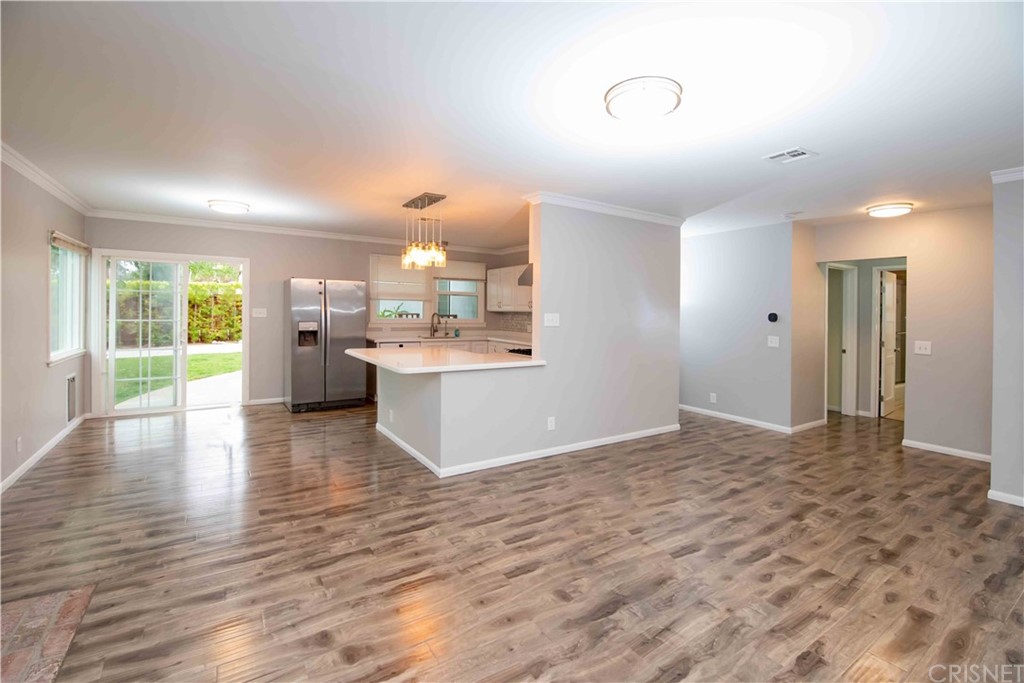
1575 Bellford Ave,
Pasadena, CA 91104
Sold for $1,150,000
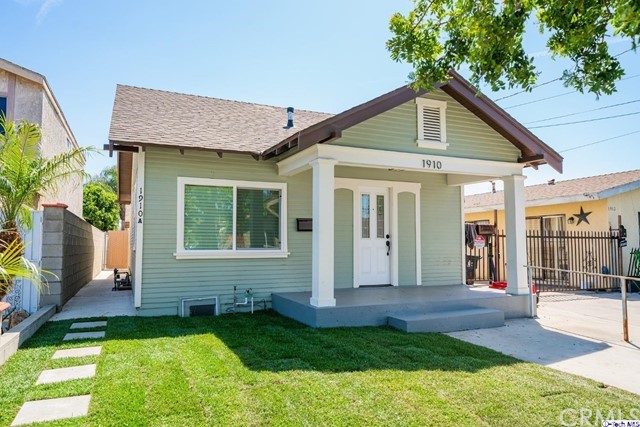
Los Angeles, CA 90810
Sold for $725,000
The appraisal came in at value
The buyers received over $16,000 in repair credit
Need to Chat?
Are you thinking about buying or selling a property in the Los Angeles area?
If the answer is YES, make sure you sit down for a candid conversation with Shannon—share your goals, ask any question, and discover why she’s one of the most successful real estate agents in Southern California!