

In my last newsletter, ADUs (accessory dwelling units) were the topic du jour (you can see a recap below in case you missed it).
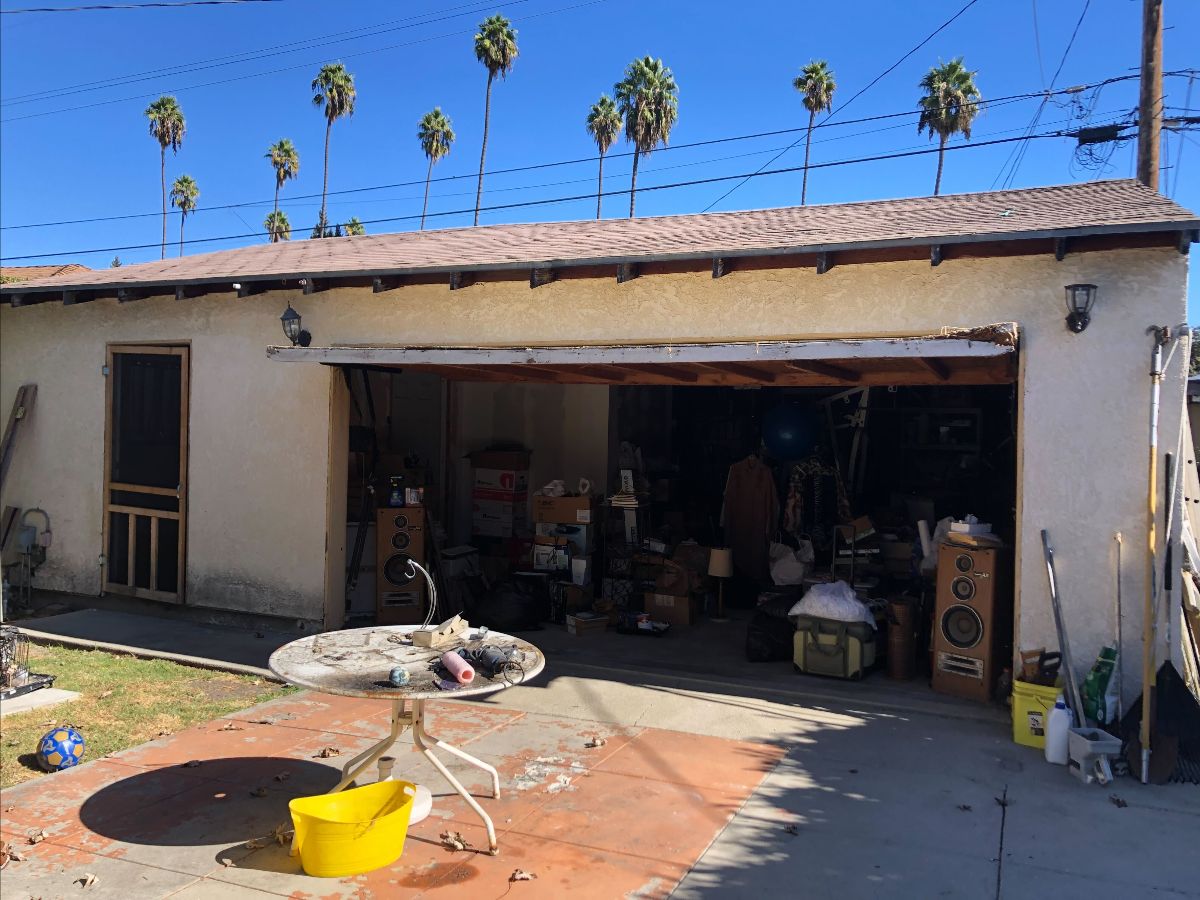
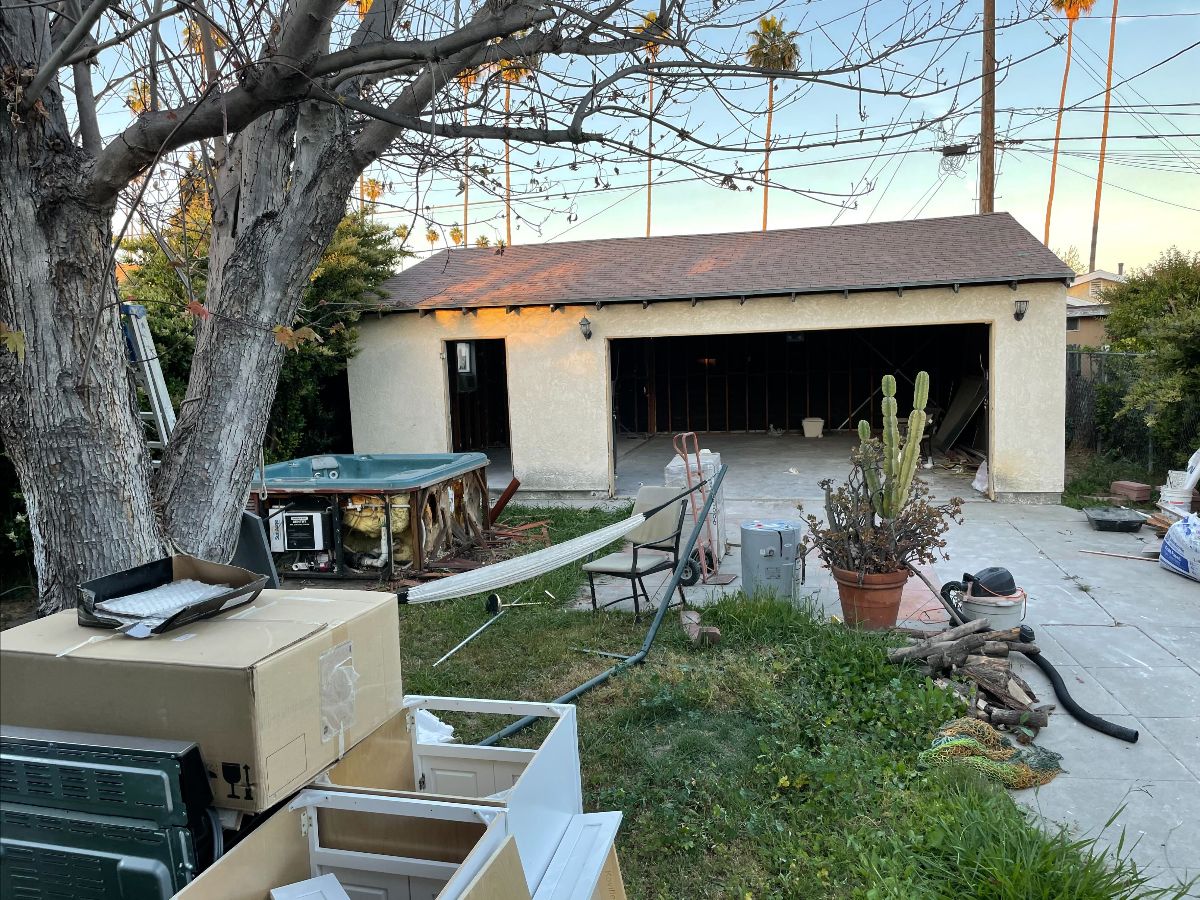
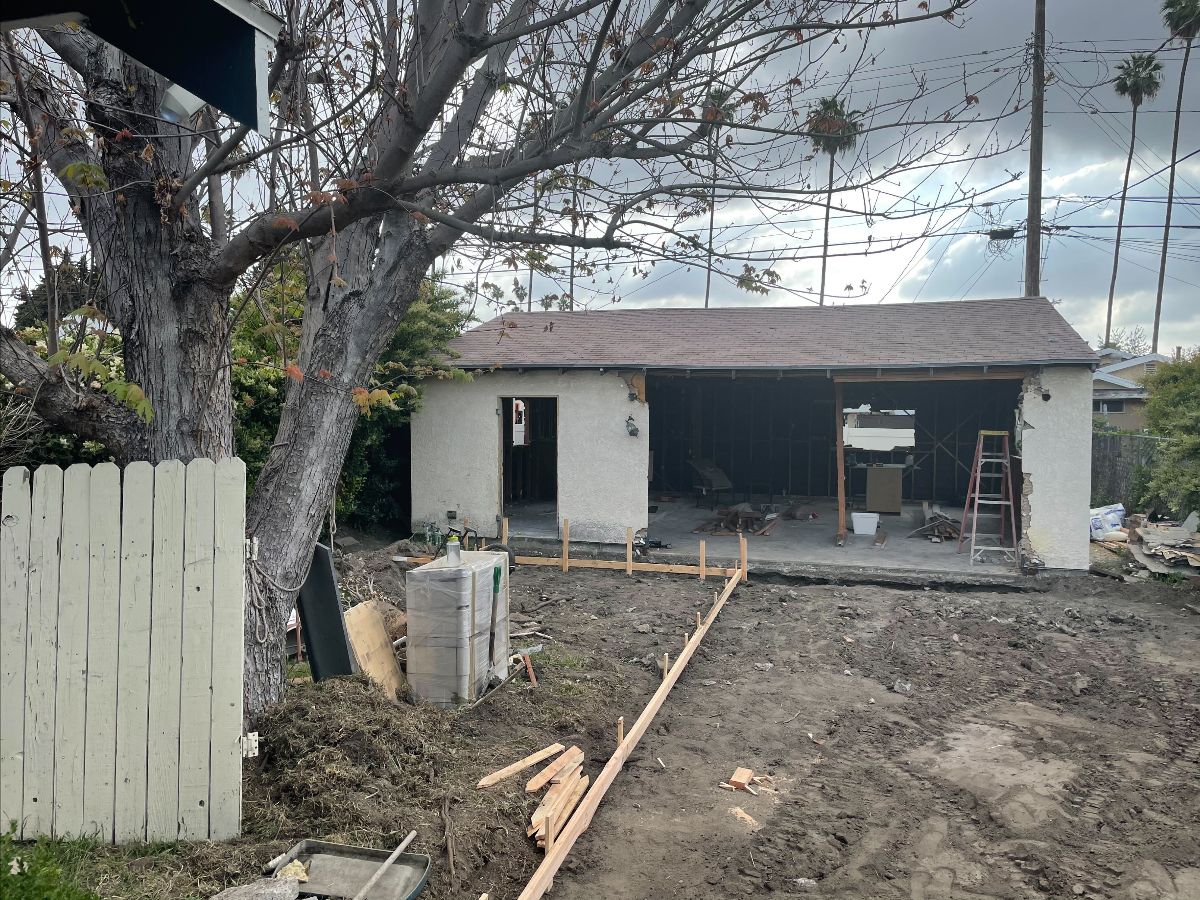
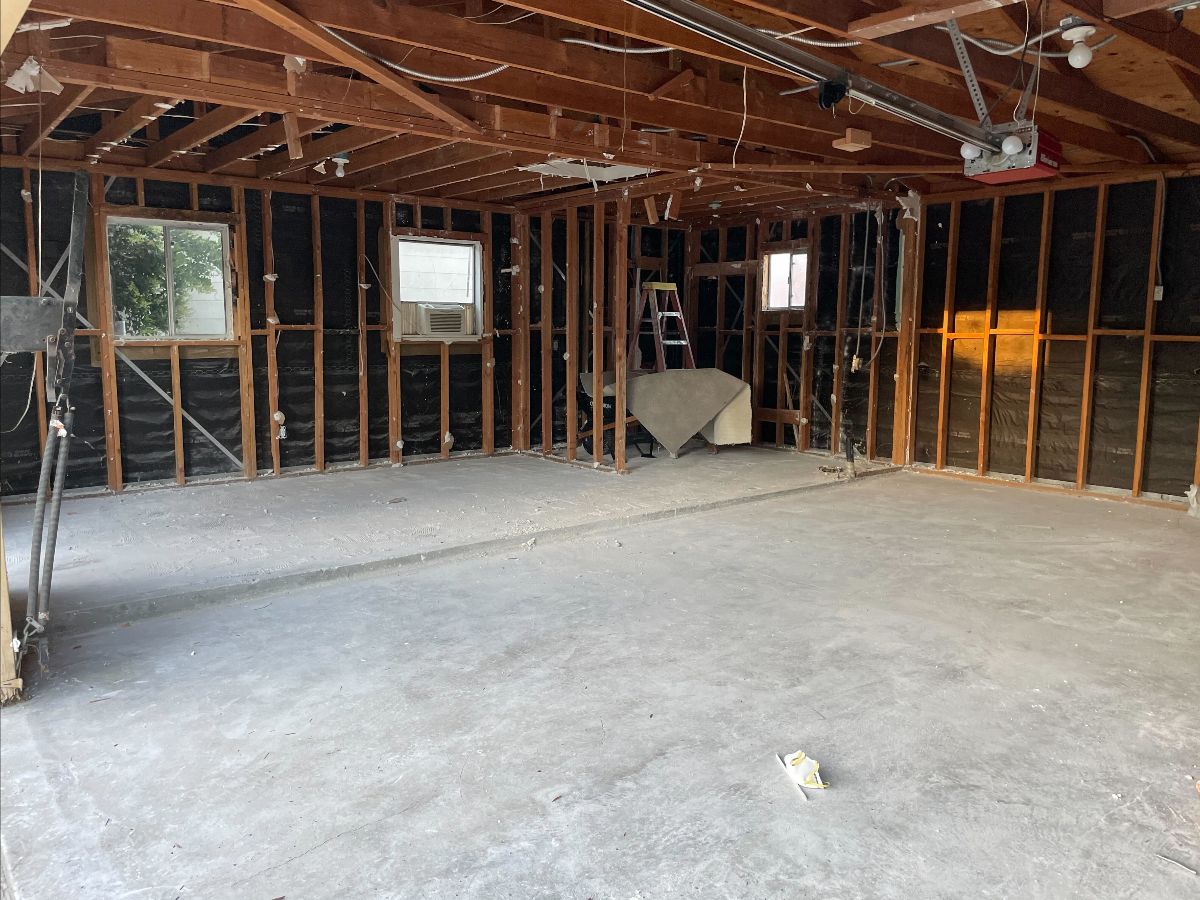
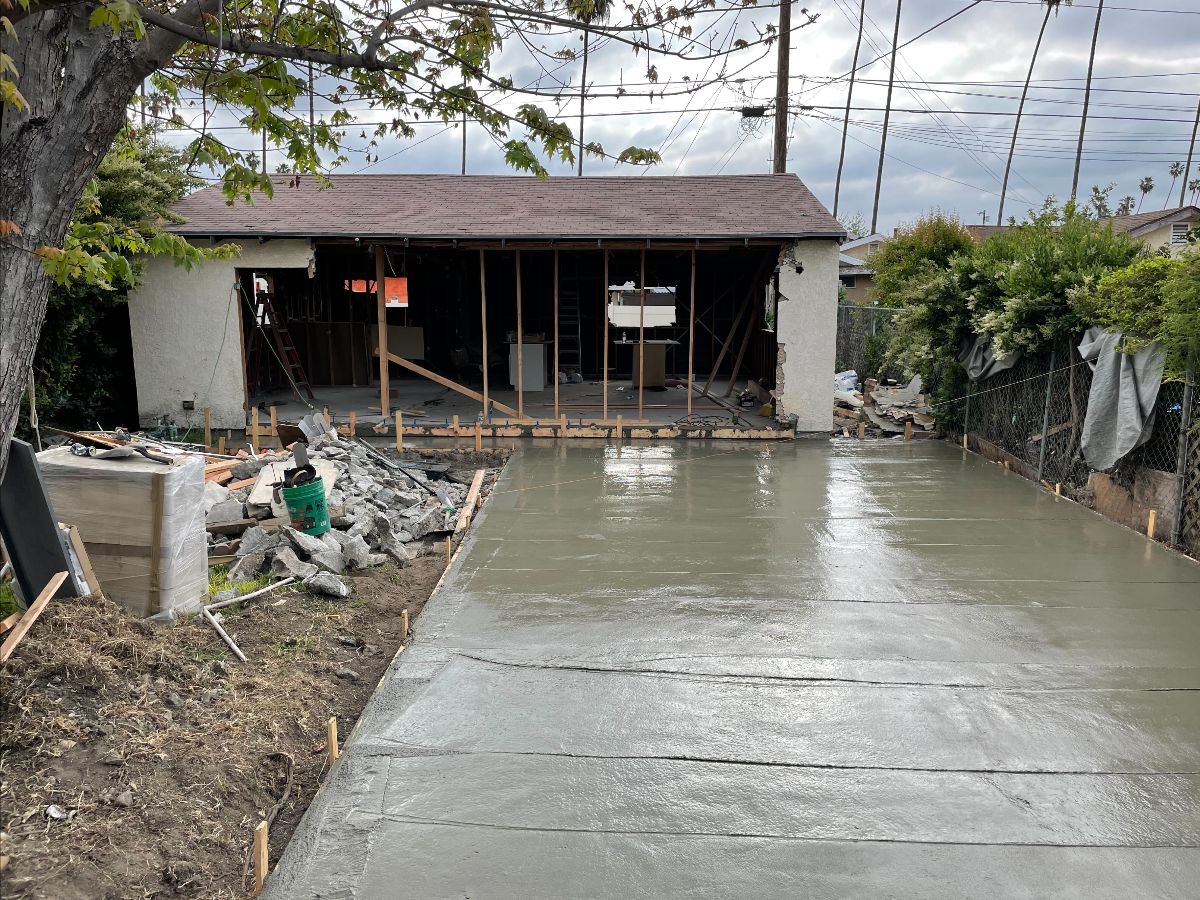
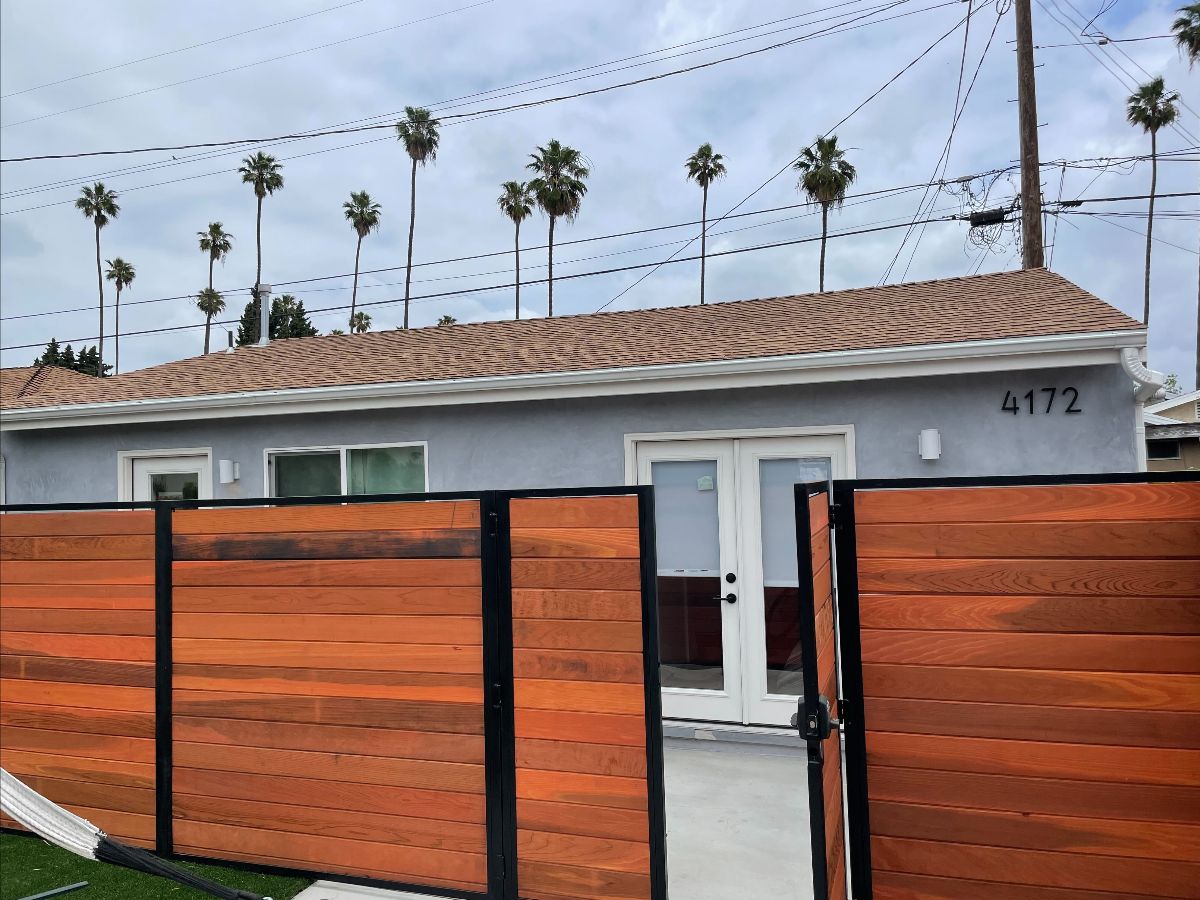
Today, I want to share some personal anecdotes about dealing with ADUs (as well as some wild before and after pictures), but I also want to address something that’s one everyone’s mind:
Interest rates.
As the Federal Reserve raises interest rates to combat inflation (which is at its highest level since the early 1980s), it becomes more expensive for home buyers, home renovators, and property investors to access credit.
Right now, the rate to borrow for your traditional 30-year mortgage is around 5.3%, and the average rate on a 5-year adjustable is 4%—meaning it’s significantly more expensive to finance a home purchase today than it was 12 months ago.
Yet, home prices aren’t slipping. In fact, the national median home price is about $425,000 and the median home price in California is over $800,000.
That’s insane.
Super-low existing inventory (there’s about 2 months of inventory right now, versus 6 months in a balanced market) and lethargy among new home builders is keeping prices at all-time highs even though mortgage applications are decreasing.
Will this last forever?—Probably not. The more expensive it gets to borrow (and the higher inflation goes) the more prospective buyers will be pushed out of the market. With time, fewer buyers will equate to less competition for inventory, which will mean fewer offers and lower listing prices. But whether this cooling happens in 2022, 2023, or 2024 is impossible to predict—it’s coming, we just don’t know when.
What we do know is that it won’t be the proverbial “bubble burst” witnessed between 2007 and 2010 because there are far fewer subprime loans, fewer homeowners with delinquent mortgage payments, and far more owners (individual or institutional) with strong credit scores.
All of this is to say, if you’re trying to buy a house, don’t sit on your butt—get out there ASAP. As the Fed fights inflation, it’s only going to get more and more expensive to finance a home purchase, and prices aren’t going to decline enough to make it worth waiting around because inventory is so low it more than compensates for dwindling demand.
OK, that’s enough about interest rates for now. It’s time to talk ADUs—let’s start with a recap of my last email.
- In Los Angeles, ADUs are allowed in any zone that allows for residential use by right.
- To be considered legal, any ADU must comply with all applicable zoning, building, and residential codes—which includes solar panels for any detached ADU and a dedicated parking space for any ADU that’s further than a half-mile from public transit.
- Many first-time home buyers and new property investors think building an ADU is a smart financial move—that is NOT the case.
- Building an ADU doesn’t make economic sense for some property owners—you really need to do the math before committing to an ADU addition.
- Given the cost of materials and labor in the current environment, acquiring an existing duplex might be a better choice than a single-family home with ADU potential.
2-Car Garage Conversion
??My experience building an ADU was pretty typical—I converted a 2-car garage with an attached studio (about 720 square feet in total) into a 2-bedroom, 1-bath unit.
(You can watch a video of my ADU coming to life here!)
Fully permitted by the city of Los Angeles, my ADU features its own unique address and sits at the end of a long driveway.
Construction took about 5 months (should have been 3 months—expect delays!) and cost a little more than $120,000 ($123K to be exact). That number includes all the materials, the labor, the drawings, and the additional engineering required to lay the new driveway.
It took about 8 months to get my plans approved and secure the permits for construction. And while it’s easier to get an ADU approved today (because of the housing crisis) than it was when I did mine, you should build buffers into your timeline as the local government can always drag its feet.
My reward
Based on market rates, I conservatively expect the ADU to rent for $2,400 per month, which will gross $28,800 per year at the absolute low end (realistically, I bet I’ll get about $2,600 per month, but I’d rather be safe in my financial forecasting).



Coming up with the cash
Unless you’ve got a lot of cash on-hand, you’re going to need to borrow money from the bank to finance your ADU conversion.
Be careful when you do this.
Rising interest rates are impacting more than home buyers—they’re impacting home owners trying to refinance or take out a home equity line of credit (HELOC). That’s why the amount of refinancing activity is way down (-70%) year-over-year, and the cost of financing a line of credit against a home is rising.
For my house + ADU, I managed to Buy ? Rehab ? Rent ? Refinance, taking my rate from 3.75% to 3.19% after 18-months, get rid of my PMI saving me $2,000+ per year (because I originally put 5% down), and take out $94k in equity (which essentially paid for the ADU costs)
Best of all, my monthly payment only went up $11 per month.
Here’s the rub
If you’re thinking about doing what I did—a purchase + ADU—don’t count your chickens before they’re hatched.
Most property purchase + ADU projects are difficult to finance right now. In fact, most lenders will not allow a cash-out refinance because it’s way harder to get a 5%-down loan accepted given the Federal Reserve will raise interest rates several more times this year.
Which means (assuming your home appreciates in the next 12-28 months) the rate will go up.
All of this constricts the opportunity to make a Buy ? Rehab ? Rent ? Refinance play.
Coincidently, this is why many of the “flippers” I know are complaining (and complaining loudly!) about their inability to find a deal. They want to find, flip, and add an ADU for extra money, but they can’t find properties in this market with low-enough listing prices to make the margins work.
My advice?
If you REALLY want to buy a piece of property with income-earning power, think about a duplex instead of a single-family home with ADU potential.
For $1,250,000 (about $190,000 down in cash) you can land a nice, two-unit property in Los Angeles County that you can use as both your primary residence and a passive income stream.
To be clear, getting a duplex isn’t a walk in the park—the multifamily market isn’t some sleepy part of real estate. Things are as competitive as ever right now.
But when you compare the economics of purchasing a duplex versus a single-family home and adding an ADU, the math suggests you’ll spend less and get more if you go the multifamily route.
-Shannon
310-853-0335 | ShannonShue@KW.com
Have a Question About Real Estate?
Do you have a question you’d like Shannon to answer in an upcoming newsletter?
Don’t be shy—click the button below to submit your thoughts.
Need to Chat?
Are you thinking about buying or selling a property in the Los Angeles area?
If the answer is YES, make sure you sit down for a candid conversation with Shannon—share your goals, ask any question, and discover why she’s one of the most successful real estate agents in Southern California!